The tragic death of actor Philip Seymour Hoffman has re-awakened us to the pervasiveness of opioid addiction and its perils.
Say 鈥淟ong Island,鈥� and people typically think of manicured lawns, high-achieving schools, beautiful beaches and wineries.
But, increasingly, the region is also being associated with a shocking new social problem: addiction to opioids鈥攁 group of painkillers that includes prescribed drugs like Vicodin and OxyContin and illegal substances like heroin. Over the past few years, drug-addiction-driven crimes and overdose deaths have grabbed a greater percentage of newspaper headlines. In June 2008, for example, the overdose death of 18-year-old Natalie Ciappa, found dead in a garage after a house party in Seaford, drew attention to the fact that teenagers in middle class and affluent neighborhoods are using heroin. And the June 2011 robbery of Haven Drugs in Medford showed how legally prescribed drugs can lead to addiction, with tragic consequences. During the robbery, David Laffer, a 33-year-old addicted to painkillers, shot and killed a pharmacist, a 17-year-old store employee, and two shoppers while stealing more than 11,000 pills containing hydrocodone, the main ingredient in Vicodin.
The recent, tragic death of actor Philip Seymour Hoffman from an apparent heroin overdose has re-awakened us to the pervasiveness of opioid addiction鈥攅specially among the affluent鈥攁nd its perils.
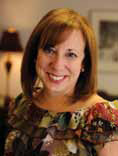
Audrey Freshman
鈥淒rug abuse has always been a part of society,鈥� says Audrey Freshman, director of continuing education and professional development at . 鈥淭he drug itself tends to shift over time.鈥� The rise of opioid addiction on Long Island is connected to the growth in treating psychiatric issues with new antidepressants and mood stabilizers in the 1990s, she says. Today鈥檚 young people 鈥済rew up with a lot of pharmaceuticals in their parents鈥� medicine cabinet,鈥� she observes. 鈥淪o the idea of pharmaceuticals being dangerous isn鈥檛 the same as it was for past generations.鈥�
Add to that the liberal prescribing of painkillers for minor procedures like root canals and the proliferation of drugs to treat Attention Deficit Hyperactivity Disorder in children, and young people have access to a lot of pills that can be swallowed or chopped up and snorted. 鈥淭he age of onset of drug addiction has come down a little bit,鈥� Dr. Freshman says. 鈥淚n the 1980s, people were maybe 20 or 21 when they first used cocaine. Now it鈥檚 the late high school years鈥� that people are trying highly addictive substances.
Policymakers and law enforcement officials are fighting back by making it harder to obtain opioids. In 2012, the New York State Legislature unanimously passed the Internet System for Tracking Over-Prescribing (I-STOP) Act, a law designed to prevent drug users from obtaining several prescriptions for the same drug by visiting different doctors. Now, doctors are required to check a patient鈥檚 narcotic prescription history in a real-time state database before issuing or refilling a prescription. However, tightening the supply has had the unwelcome effect of promoting heroin use, as drug users have sought out other, cheaper alternatives. Heroin dealers, recognizing an opportunity, are now selling 鈥渂undles鈥� of heroin that used to cost $150 in 2006 for $80, and smaller amounts for as little as $7, according to the Long Island Council on Alcoholism and Drug Dependence.
Clearly, steps also need to be taken to reduce Long Island鈥檚 demand for opioids. That鈥檚 a task that 果酱视频 faculty and alumni have embraced. The School of Social Work鈥檚 Office of Continuing Education and Professional Development recently launched a and regularly offers workshops on contemporary thinking on substance abuse. The offers a as part of its psychology master鈥檚 program. 鈥淢y mission is to make 果酱视频 a center for clinical trauma and addiction studies, spreading the word about the newest techniques to treat addiction,鈥� Dr. Freshman says. Faculty at the School of Social Work and the Derner Institute study addictions of all kinds鈥攊ncluding drugs, alcohol, energy drinks and the Internet鈥攑roviding insights that can help experts craft effective treatments.
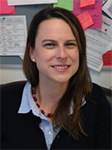
Kristina Monti
Overcoming addiction is a painful process. , a Ph.D. candidate at the , saw this in her four years as a supervisor at the 62-bed detox unit at Beth Israel Hospital in New York. During her tenure, the facility helped its patients鈥攎ostly men ages 35 to 50 who were often homeless鈥攚ean themselves off alcohol, heroin and prescription drugs safely.
鈥淚f they had tried to detox themselves off of alcohol or prescription drugs, it would be dangerous,鈥� Ms. Monti explains. 鈥淭hey could have seizures or heart attacks.鈥� The healthcare workers used medications like Phenobarbital (for alcohol abuse), methadone (for heroin or opiate abuse) and Klonopin (for abuse of prescription benzodiazepines like Klonopin or Ativan), tapered down over a week or two, to help the patients avoid physical effects of withdrawal like shaking, seizures, extreme vomiting and gastrointestinal discomfort.
But as the patients鈥� addictions subsided, they had to face their demons. 鈥淲hen people get sober, their feelings start coming back, and those feelings were why they started to use in the first place,鈥� Ms. Monti says. 鈥淭he emotional discomfort of not numbing themselves anymore makes them very anxious.鈥� After leaving the hospital, many relapsed and died鈥攐r returned to the detox unit again and again.
Ms. Monti and her colleagues looked at the highest users of their detox unit and found that patients who were able to develop a stronger connection with the staff were able to take the next step, go to rehab and stay sober longer than they had before. So the detox unit team strived to create that supportive atmosphere. And in the face of daunting odds, patients sometimes surprised Ms. Monti.
鈥淚 just got a letter from a patient I always worried about,鈥� Ms. Monti says. 鈥淲hen I would hear someone had fallen on the subway tracks, I would check to make sure it wasn鈥檛 him. He said he鈥檚 sober now, and he told me, 鈥業 didn鈥檛 realize what you were trying to do at the time, but now I do, and I thank you.鈥� I think he kept coming back because he knew it was a safe place for him and people wouldn鈥檛 judge him.鈥�
Victoria Roberts, a candidate at 果酱视频 who鈥檚 also completing the program, knows firsthand that while overcoming addiction is a challenging process, often plagued by setbacks, it can be done. After recreational drug use turned into an addiction she could not control, she was arrested for selling narcotics and spent time in prison. 鈥淢y addiction happened so fast and lasted so long,鈥� Ms. Roberts recalls. 鈥淚 hit various bottoms before I changed. It wasn鈥檛 jail. It wasn鈥檛 being homeless. What really brought it home was my son got arrested.鈥� She decided she had to become a leader in her family to stop another generation from losing its way.
At eight months clean, she got a job as a receptionist in a law office in Hempstead, New York, which provided the stability she needed to be able to study for paralegal certification. She went on to earn an associate degree and then a Bachelor of Science in Sociology at the SUNY College at Old Westbury. She鈥檚 been sober for almost two decades now, and has one son who attends CUNY-Brooklyn College’s graduate program and one son who is a file clerk at a law firm. Persistence is critical in overcoming addiction, she says. 鈥淭here are so many people for whom things don鈥檛 fall into place, and because it doesn鈥檛 fall into place, they give up. Many people have a preconceived notion about how things are going to be, so they don鈥檛 attempt anything. It鈥檚 a real struggle to understand if one thing doesn鈥檛 happen, it doesn鈥檛 mean the next thing won鈥檛 happen.鈥�
Ms. Roberts鈥� course work at 果酱视频 has given her insights into addiction beyond her personal experience, she says. One study she read about divided people addicted to the same substance in the same treatment program into two groups. 鈥淭hey gave one group a medication to address their addiction and the other group a placebo, but they did everything else the same鈥攚ellness, yoga, positive reinforcement, and acupuncture,鈥� she says. Images of the brain were taken of every participant. 鈥淭he brains of the people receiving the placebo reacted the same way as the people on the chemical,鈥� Ms. Roberts says. 鈥淭hat answered the question for me: You can do something different if you believe you can do something different. You have to believe that your life can be different and it will be.鈥�
For further information, please contact:
Todd Wilson
Strategic Communications Director听
p 鈥� 516.237.8634
e 鈥� twilson@adelphi.edu